A calculated retreat: Bill Gates cancels India AI keynote speech as Epstein scandal shadows his global agenda
02/19/2026 / By Lance D Johnson
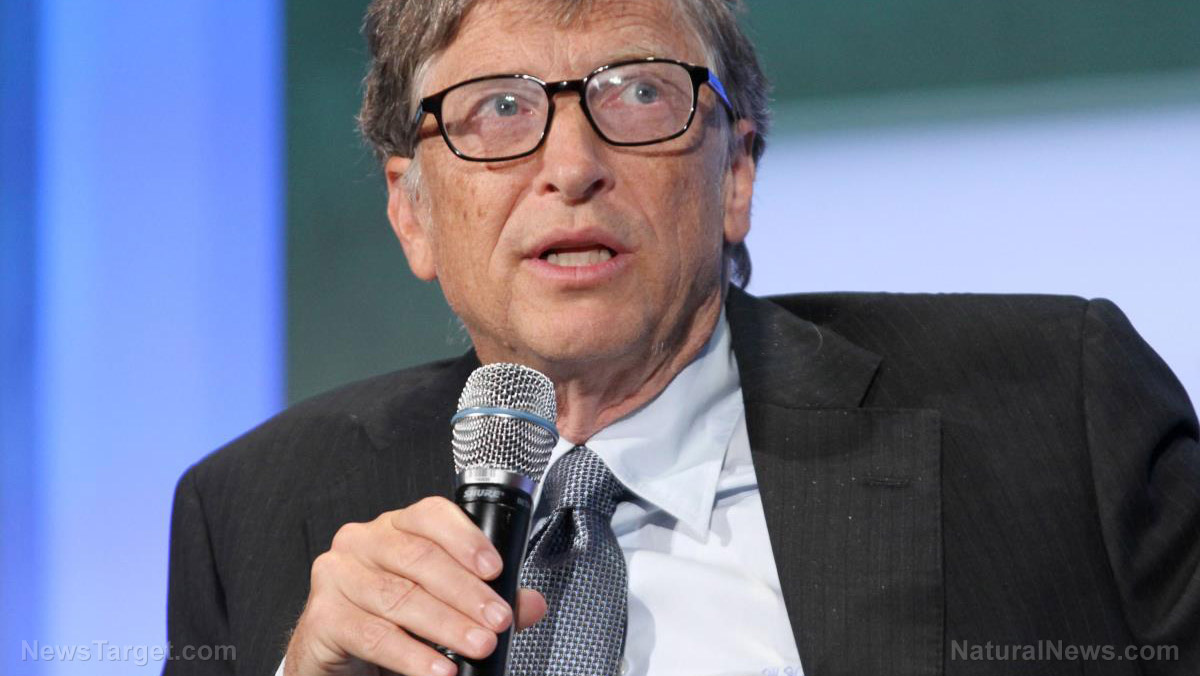
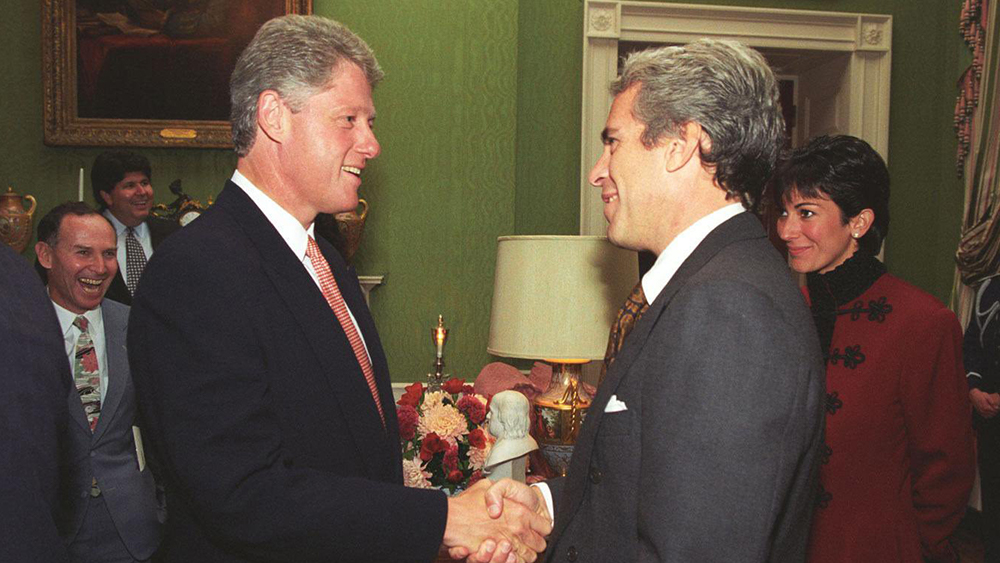
In a move that speaks louder than any prepared speech, billionaire Bill Gates abruptly withdrew from delivering a keynote address at India’s high-profile AI Impact Summit in New Delhi. Gate’s retreat from public appearances at this time is not due to some scheduling conflict but is the result of Gate’s facing the inescapable shadow of his documented association with convicted sex trafficker Jeffrey Epstein.
The last-minute cancellation, announced by the Bill & Melinda Gates Foundation just hours before Gates was to take the stage, exposes the deepening credibility crisis engulfing the world’s most influential private philanthropist. This incident reveals a powerful truth: The carefully constructed narrative of a benevolent technocrat is crumbling under the weight of his own controversial alliances and the unanswered questions about his true intentions for global health and population control policies. Gates’s exit from India’s premier tech stage is a direct consequence of mounting public pressure and investigative scrutiny, challenging the unchecked influence he wields over international policy and raising urgent concerns about accountability for the powerful.
Key points:
- Bill Gates has repeatedly lied about his connections with Jeffrey Epstein, and has attempted to cover up the extent of their relationship and the things they planned to do to people.
- Bill Gates will have to answer for the controversial communications he had with Epstein, for he is not above the law.
- Bill Gates cancelled his keynote at the India AI Impact Summit following pressure related to the release of court documents detailing his ties to Jeffrey Epstein.
- The Gates Foundation initially insisted he would attend, then reversed course, stating the move was to keep focus on the summit’s “key priorities.”
- Newly unsealed Epstein files allege Gates sought Epstein’s help to procure drugs related to extramarital affairs, claims Gates calls “absolutely absurd and completely false.”
- Indian opposition politicians and activists had loudly questioned the appropriateness of Gates’s high-profile role, accusing him of using India as a “laboratory.”
- The Indian government offered no clear explanation for the invitation or the cancellation, maintaining a conspicuous silence on the controversy.
The foundation’s facade cracks under pressure
The sequence of events leading to Gates’s no-show reads like a textbook case of damage control. Just days before the summit, Gates was in India, meeting with top officials in Andhra Pradesh to advance his foundation’s projects. As rumors of his potential withdrawal swirled on Tuesday, the foundation’s India office took to social media to firmly deny them, stating Gates would “deliver his keynote as scheduled.”
This confident front collapsed by Thursday. The foundation’s terse statement, citing “careful consideration,” cannot mask the reality: the escalating scandal made his presence a liability. He was replaced by a foundation executive, a clear demotion of stature. This episode is not an isolated scheduling glitch; it is a direct response to the firestorm ignited by the January release of the “Epstein files”—a trove of documents from the Epstein estate that includes a draft email in which Epstein alleges Gates confided in him about extramarital affairs and sought his assistance in obtaining drugs to slip to his then-wife. The communications between the two illuminate the architecture behind pandemics as a business model and other population control planning. While Gates denies the specifics, his admission of regret for ever knowing Epstein—”Every minute I spent with him, I regret”—does little to quell the storm.
For a figure whose foundation demands total transparency from governments and health agencies, Gates’s own opacity and shifting stories regarding a relationship with a man convicted of sex trafficking with minors create an irreconcilable contradiction.
India as a battleground for influence and skepticism
Gates’s retreat from the Delhi summit is particularly significant given India’s central role in his global health and development portfolio. The Bill & Melinda Gates Foundation is a major funder in the country, influencing policy on everything from agriculture to digital infrastructure and vaccination campaigns. This influence has long bred skepticism among segments of the Indian public and political class, who view the foundation’s work as a form of neo-colonial experimentation. The invitation for Gates to keynote a summit on artificial intelligence—a technology with profound societal implications—proved a flashpoint.
Critics, including opposition politicians, seized on the Epstein revelations to question why a figure with such controversial associations was being given a platform to shape the conversation on India’s AI future. Their accusations that India is treated as a “laboratory” resonate with a broader, global audience concerned about the concentration of power in unelected, billionaire-led foundations. The Indian government’s muted response—neither defending the invitation nor addressing the cancellation—suggests an awareness of the potent political and social backlash. It stands in stark contrast to Prime Minister Narendra Modi’s own summit remarks, which emphasized the need for “child-safe” AI, a theme that inadvertently highlighted the profound dissonance of featuring a figure linked to Epstein.
The fallout in Delhi is a microcosm of a growing global reckoning. Bill Gates can no longer separate his philanthropic brand from his personal associations. His vision for the world—one involving mass vaccination campaigns, AI-driven censorship of “misinformation,” and published desires to see global population growth reduced—is now being evaluated through the lens of his judgment and character. When he advocates for real-time AI systems to police online speech or funds media organizations to the tune of hundreds of millions, the public is right to demand accountability.
Sources include:
Submit a correction >>
Tagged Under:
accountability, AI summit, bill gates, cancellation, conspiracy, controversy, corruption, deception, deep state, Epstein files, globalist, India, Jeffrey Epstein, keynote, media influence, Modi, philanthropy, scandal, technocrats, traitors, transparency
This article may contain statements that reflect the opinion of the author
RECENT NEWS & ARTICLES